Time:2026-07-16 Form:本站
Since Elisha Graves Otis famously declared "All Safe" in 1853, the elevator industry has fundamentally shifted how it manages vertical transportation safety. However, a concerning trend has emerged: modern maintenance is increasingly relying on software to "predict" failures while neglecting the physical "examination" that defined the industry’s golden age. To keep passengers safe, we must bridge the gap between IoT innovation and rigorous, hands-on mechanical inspection
Until the 1980s, elevator service was strictly defined as "Examination." Maintenance mechanics were known as "Examiners," and their primary role was to apply their senses and experience to evaluate equipment health
Entering the 1990s, the industry saw a regressive trend: service frequency was often reduced, and two-member teams were replaced by single-person "service routes" to optimize profitability
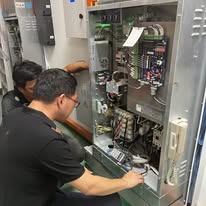
Professional elevator maintenance must be governed by a non-compromising approach across three lifecycles: Design, Execution, and Maintenance
-Wire Rope Health: Steel wire ropes must be inspected for wear and strand distortion. Under strict safety standards, rope wear typically must not exceed 10% of the nominal diameter
-Braking Efficiency: A professional brake system check must verify response times, with an industry-recommended threshold of ≤ 0.8 seconds to ensure reliable stopping power during emergencies
-Levelling Accuracy: To prevent tripping hazards, car levelling must be maintained within ±10 mm
-Voltage Stability: Control cabinets require a stable power environment where voltage fluctuations remain within ±7% to prevent controller malfunctions
Overspeed Governors & Safety Gear: These components are the final defense against free-fall. Regular lubrication and movement tests are non-negotiable, regardless of how advanced the elevator's controller software may be
While the elevator industry is projected to see the IoT market cross $63 billion by 2030
The aviation industry provides the perfect model: even with the most advanced remote monitoring, pilots still perform a physical "walk-around" of the aircraft before takeoff
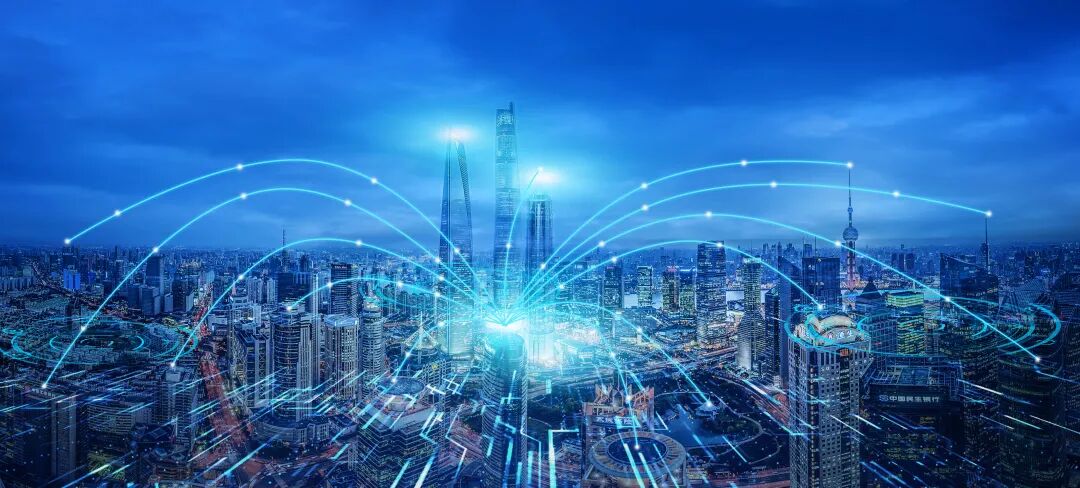
Neglecting physical maintenance to save on short-term labor costs often leads to expensive "remedial repairs." Data suggests that a rigorous, systematic maintenance program—one that includes monthly self-inspections and annual safety certifications—can reduce elevator failure rates by 40% to 60%
The future of vertical transportation is not just in smarter sensors, but in better-trained mechanics. Maintenance must return to its roots: a disciplined, examination-led program where IoT acts as an early-warning system for the eyes and ears of a skilled technician.
As SURAPID maintains its commitment to safety, we urge building owners and facility managers to move beyond "breakdown-only" service. Safety is not a static state—it is a result of consistent, professional, and thorough mechanical examination.