Time:2025-09-17 Form:本站
Elevator maintenance is often judged by what does not happen: no unexpected shutdown, no repeated door faults, no abnormal ride, and no avoidable safety issue. For building owners
and facility managers, keeping an elevator available is just as important as keeping it safe.
Every operating cycle adds wear to components such as door operators, brakes, traction equipment, suspension ropes, controllers, and safety devices. The amount of wear
is not the same for every elevator. Traffic level, building use, equipment age, operating environment, and the condition of individual components all affect maintenance needs.
For this reason, elevator maintenance should be more than repairing a fault after the elevator stops. Regular inspection and servicing help technicians identify changes in equipment
condition early, deal with developing faults, and keep the elevator operating within its intended performance and safety requirements.
Elevator safety depends on several systems working together correctly. Door interlocks, brakes, safety circuits, speed governors, safety gear, and door protection devices all play a role in safe operation.
During maintenance, technicians do more than check whether a component is still functioning. They also look for changes in adjustment, wear, response, or operating condition that could affect the elevator's performance. For example, a door may continue to open and close while its operator, rollers, or locking components are already showing signs of wear.
For example, a door operator that is becoming noisy, a brake that requires adjustment, or a rope system showing abnormal wear may not cause an immediate shutdown. However, ignoring these early changes can allow a relatively small maintenance issue to develop into a larger repair.
Maintenance should always follow the elevator maker's instructions and the safety rules that apply in the country or region where the equipment is installed. Where required, a separate elevator safety inspection must also be done under local law.
For a busy commercial building, hospital, residential complex, or industrial facility, an elevator failure can quickly become a service problem.
Regular servicing gives technicians an opportunity to investigate changes such as unusual noise, increasing door vibration, inaccurate leveling, repeated door reopening, electrical fault records, or changes in ride quality. Not every abnormal condition will lead to an immediate breakdown, but repeated or worsening symptoms should not be ignored.
This matters most for elevators with heavy traffic or hard service, where parts may build up many more cycles.
Elevator components do not all wear at the same rate. Door components may experience thousands of operating cycles, while brakes, traction components, ropes, electrical equipment,
and other parts have their own inspection and service requirements.
Regular inspection, cleaning, adjustment, lubrication where specified by the manufacturer, and timely replacement of worn components can help prevent one deteriorating part from
affecting other parts of the system. The purpose is not to eliminate normal wear, but to identify it early enough for corrective action to be planned.
There is no one maintenance interval for every elevator.
The right schedule depends on the elevator model, use rate, building type, environment, equipment age, maker's advice, and local rules.
For example, an elevator serving a busy commercial building may complete far more operating cycles than one used occasionally in a low-traffic building. Applying exactly the same maintenance routine to both would not necessarily reflect their actual operating conditions.
As a general rule, maintenance can be split into routine servicing, periodic maintenance, and required inspections or tests.
Routine servicing focuses on abnormal conditions and early wear. Periodic maintenance includes more detailed inspection, adjustment, and testing of mechanical and electrical parts. Required inspections, including an elevator safety inspection where needed, follow local rules and should not be confused with routine maintenance.
For building owners, the safest approach is to combine the maker's maintenance needs with the inspection needs of the local authority and a site-specific elevator maintenance checklist.
Although methods vary by elevator type and maker, several systems need special care.
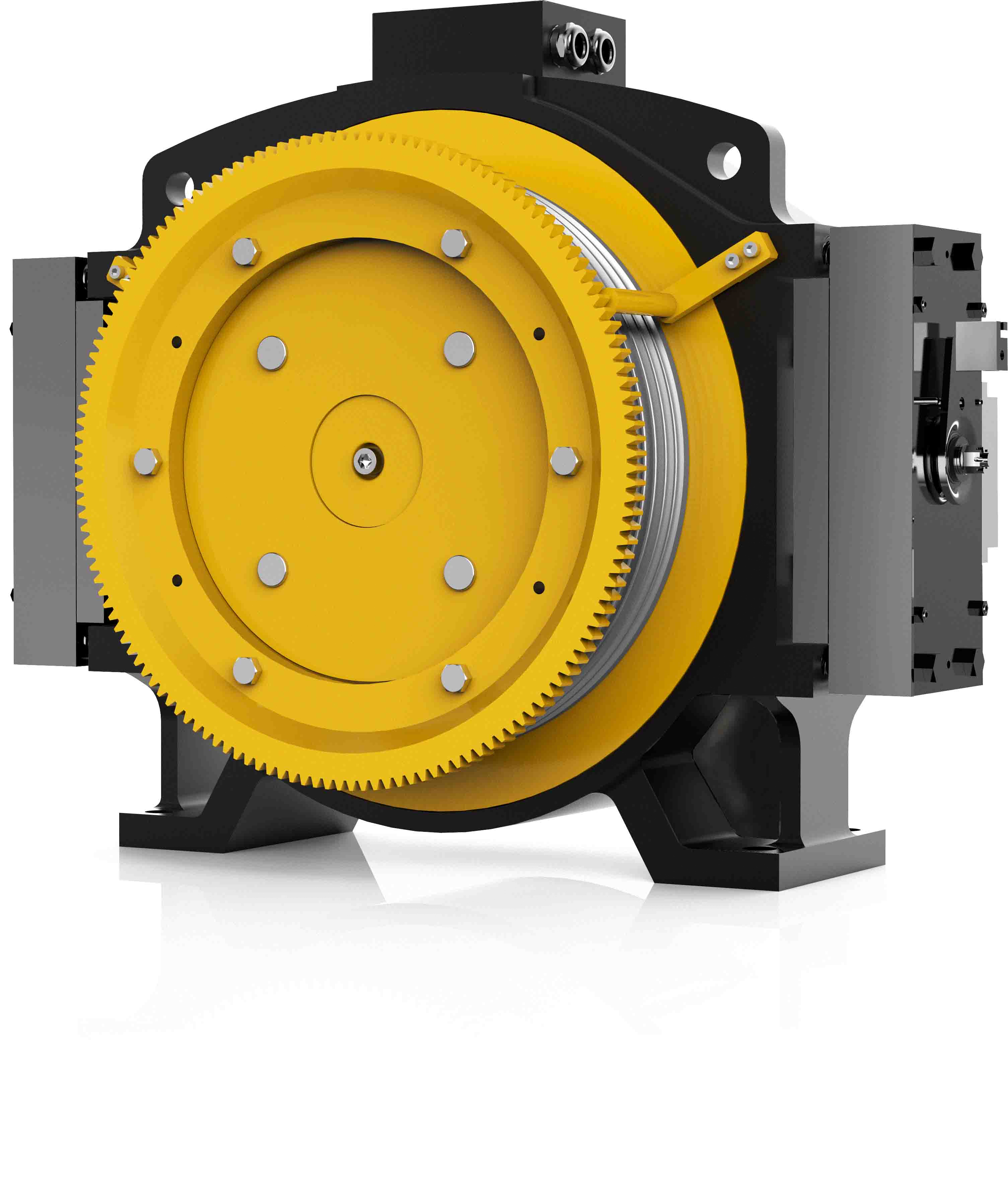
In a traction elevator, the traction machine, sheave, suspension ropes, and brake system work together to move and stop the car.
Technicians may inspect rope condition and tension, traction parts, brake action, and signs of unusual wear. Lubrication should be applied only where the maker says it should, since the wrong lubricant can hurt traction or part performance.
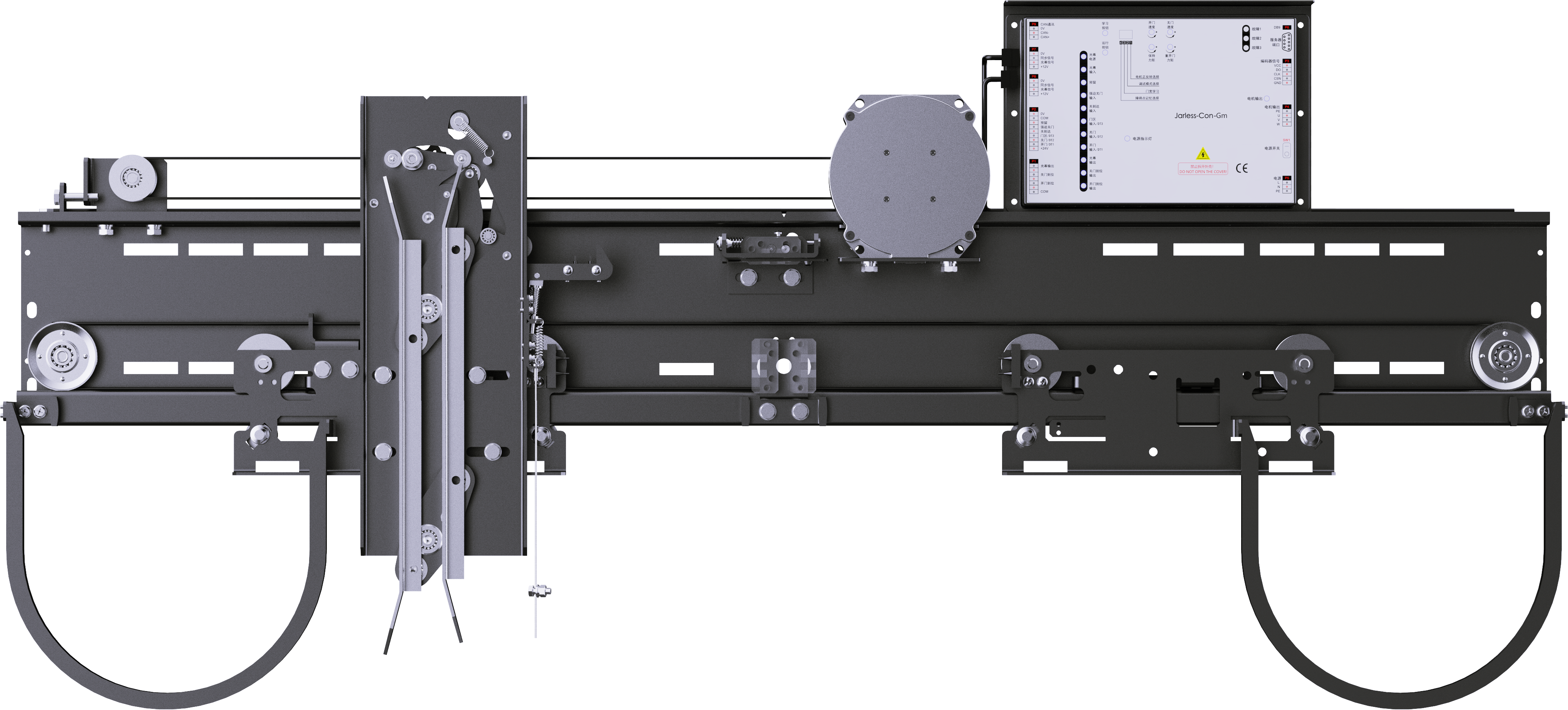
Elevator doors are among the most frequently operated parts of the system. Door operators, rollers, hangers, locks, door tracks, and safety protection devices can therefore require regular inspection and adjustment.
Changes in door behavior are often useful early warning signs. Slow movement, abnormal noise, repeated reopening, vibration, incomplete closing, or inconsistent door operation should be
investigated by a qualified elevator technician.
Depending on the symptom, the technician may need to check the door operator, rollers, locking system, door protection device, alignment, or related control signals.
Safety-related equipment may include speed governors, safety gear, door interlocks, emergency communication systems, and electrical safety circuits.
These parts should be inspected and tested according to the maker's steps and the relevant safety codes. Safety circuits should never be bypassed just to keep an elevator running.
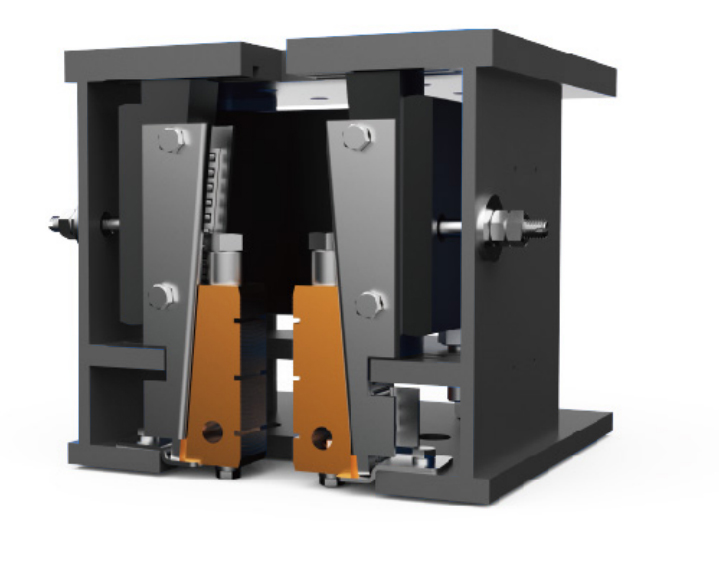
Modern elevators rely on controllers and variable-frequency drives (VFDs) to coordinate the motor, door, and other system functions.
Maintenance may include checking electrical connections, control cabinets, cooling systems, fault records, and signs of overheating or dirt. Good ventilation and the right environment also matter, especially for electronic equipment.
Regular elevator maintenance is ultimately about stopping small problems from becoming costly or disruptive ones. But the exact schedule and steps should always be based on the specific elevator system, not on a generic checklist.
An elevator inspection checklist should match the model, the site, and local code.
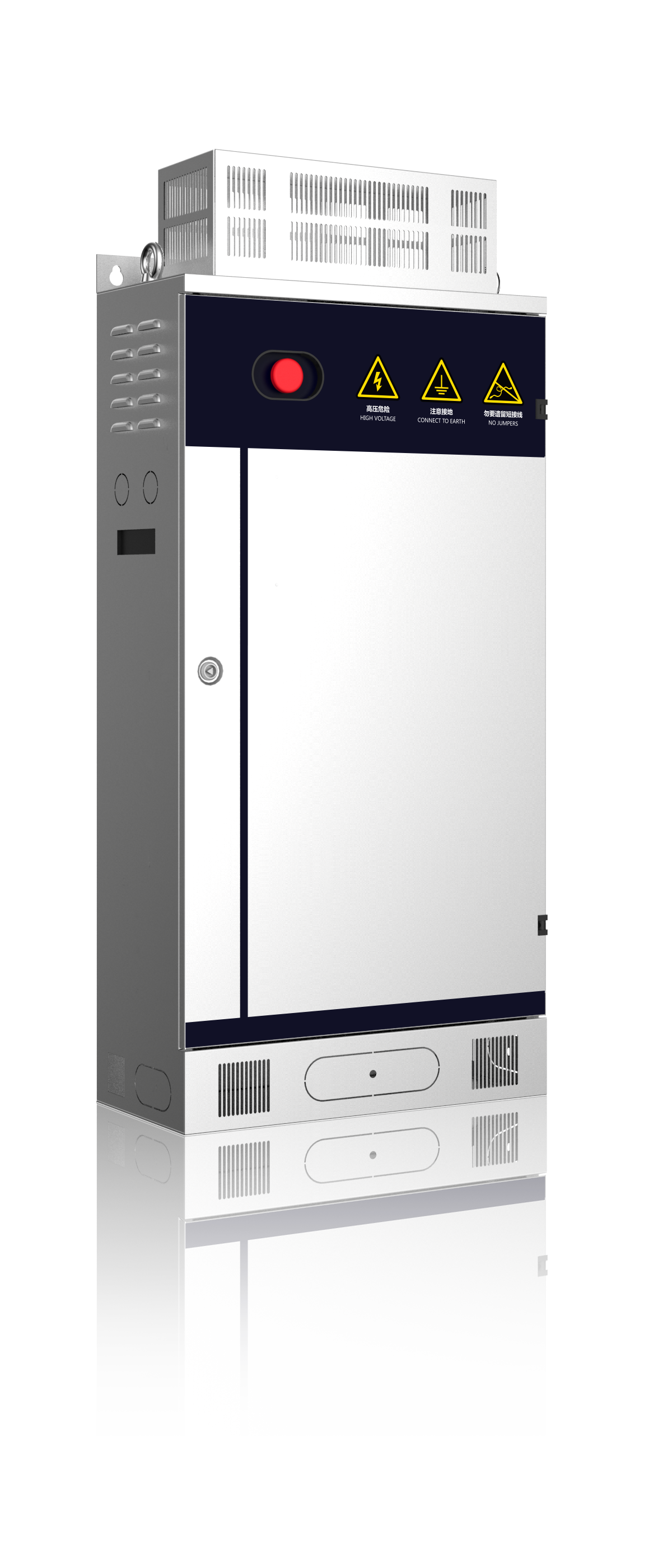
While elevator maintenance principles are broadly similar across the industry, the exact steps and service intervals should always follow the maker's advice and local rules.
For SURAPID elevators, the maintenance program combines routine inspections, periodic servicing, and annual checks. Technicians inspect key areas such as safety circuits, door systems, brakes, traction parts, and electrical controls to find wear before it becomes a major fault.
Some needs are highly specific to the equipment. For example, SURAPID's technical guides set detailed limits for brake adjustment, traction rope condition, door protection, and VFD parts. These limits help technicians decide when adjustment, servicing, or replacement is needed instead of relying on visual checks alone.
A clear elevator inspection checklist helps track these items and keep records.
Building owners should also watch for changes in elevator performance. Unusual vibration or noise, uneven door action, inaccurate leveling, repeated fault codes, or unexpected shutdowns can all mean that a professional inspection is needed.
Elevators that have been out of service for a long time or have had fire or impact damage should also be checked before normal use begins again. For example, SURAPID's maintenance guidance calls for extra attention when an elevator has been idle for more than 7 days, including cleaning, lubrication, and function checks.
Regular elevator maintenance cannot remove normal wear, but it can help stop minor problems from turning into costly failures. Over time, older elevators may also need upgrades as parts become outdated or building needs change.
This makes after-sales support an important factor when choosing an elevator supplier. Access to technical documents, genuine spare parts, maintenance guidance, and skilled support can have a strong effect on long-term equipment reliability.
SURAPID provides maintenance documents and technical support for its elevator systems, with help available through its service network and remote technical team. The company's maintenance manual gives more detailed steps and equipment-specific needs for technicians.
In the end, effective elevator maintenance is not about following a generic checklist. It is about maintaining the right parts at the right intervals based on the equipment, the operating environment, and the relevant safety rules.
Q: Why should elevator maintenance be preventive rather than only reactive?
A: Preventive maintenance helps find early signs of wear, odd operation, or part decline before they lead to breakdowns. This reduces surprise downtime, supports passenger and cargo safety, and helps keep the elevator within its intended performance range.
Q: How is the correct elevator maintenance schedule determined?
A: The schedule depends on the elevator model, usage frequency, building type, environment, equipment age, maker's advice, and local rules. A heavily used commercial elevator will often need a different maintenance plan than a lightly used residential elevator.
Q: Which elevator systems usually require the most attention during maintenance?
A: Key areas include traction and braking systems, door systems, safety devices, and electrical or control systems. These parts are central to safe and reliable operation and may wear through repeated daily use.
Q: What warning signs should building owners report to a professional technician?
A: Building owners should report unusual vibration or noise, uneven door movement, inaccurate leveling, repeated fault codes, unexpected shutdowns, or any change in normal elevator performance. These signs may mean that inspection or servicing is needed.
Q: Why is maker-specific maintenance guidance important?
A: Maker-specific guidance provides clear steps for inspection, adjustment, servicing, and replacement. For SURAPID elevators, this includes technical needs for areas such as brakes, traction ropes, door protection, and VFD parts, helping technicians make decisions based on the actual equipment rather than a generic checklist.